



 MSME
MSME

Overview
In the academic year 2022-2023, the Department of Computer Science and Engineering (DATA SCIENCE) was started with a 60 students intake. Data science is a multidisciplinary field that uses scientific techniques, procedures, algorithms, and systems to glean knowledge from both structured and unstructured data. Technically speaking, data science integrates statistics, data analysis and machine learning to comprehend and examine real-world occurrences. In addition to computer science, data science also makes use of methods and concepts from the domains of mathematics and statistics. The three main parts of data science are data organization, data packing, and data delivery which examine data, and the outcomes of that examination are utilized to make judgments and come to conclusions.QUALITY POLICY:
Engage the stakeholders in the department’s process of ongoing improvement and also teach students the value of updating the real-world applications.VISION
To achieve global proficiency in computer science and engineering (data science) by developing technically skilled professionals who can serve as innovative data analytics researchers, driving novelty and addressing societal challenges.MISSION
- M1: To provide holistic learner centered approaches to enhance analytical and leadership skills
- M2: To strengthen the core competences in the domain of computer science and engineering (data Science)
- M3: To use innovative teaching learning processes for building real-time applications leading to lifelong learning.
PROGRAM EDUCATIONAL OBJECTIVES (PEO’S)
PEO-1 Graduates with strong foundations in computer science and engineering capable of solving real-world problems using artificial intelligence and data-analytics
PEO-2
Graduates will adapt to professional development using data science technologies and possess excellent communication and leadership skills.
PEO-3
Graduates will process professional ethics and be committed to development of the society, providing engineering solutions with a focus on data security
PROGRAM SPECIFIC OUTCOMES (PSOs)
PSO-1: Apply mathematical models and statistical methods to solve complex engineering problems using knowledge of computer science and data science.
PSO-2: Building multi-disciplinary innovative projects using artificial intelligence models and data science.PROGRAM OUTCOME (POs)
PO1: Engineering Knowledge: Apply knowledge of mathematics, science, engineering fundamentals, and an engineering specialization to solve complex engineering problems.
PO2: Problem Analysis: Identify, formulate, research literature, and analyze complex engineering problems.
PO3: Design/Development of Solutions: Design solutions for complex problems and system components that meet specified needs with public health, safety, cultural, societal, and environmental considerations.
PO4: Conduct Investigations of Complex Problems: Use research-based knowledge and methods to conduct investigations, interpret data, and provide valid conclusions.
PO5: Engineering Tool Usage: Create, select, and apply appropriate techniques, resources, and modern engineering/IT tools.
PO6: The Engineer and The World (replaces Environmental Sustainability): Assess societal, health, safety, legal, and cultural issues through engineering knowledge, focusing on sustainability.
PO7: Ethics (expanded): Apply ethical principles, commit to professional ethics, and embrace diversity and inclusive behavior.
PO8: Individual and Collaborative Teamwork: Function effectively as an individual, and as a member or leader in diverse teams, including multidisciplinary settings.
PO9: Communication: Communicate effectively, including high-level documentation and presentations, with engineering and society.
PO10: Project Management and Finance: Demonstrate engineering and management principles to manage projects in multidisciplinary environments.
PO11: Life-Long Learning (expanded): Recognize the need for, and prepare for, independent and life-long learning, including adaptability and technological awareness.
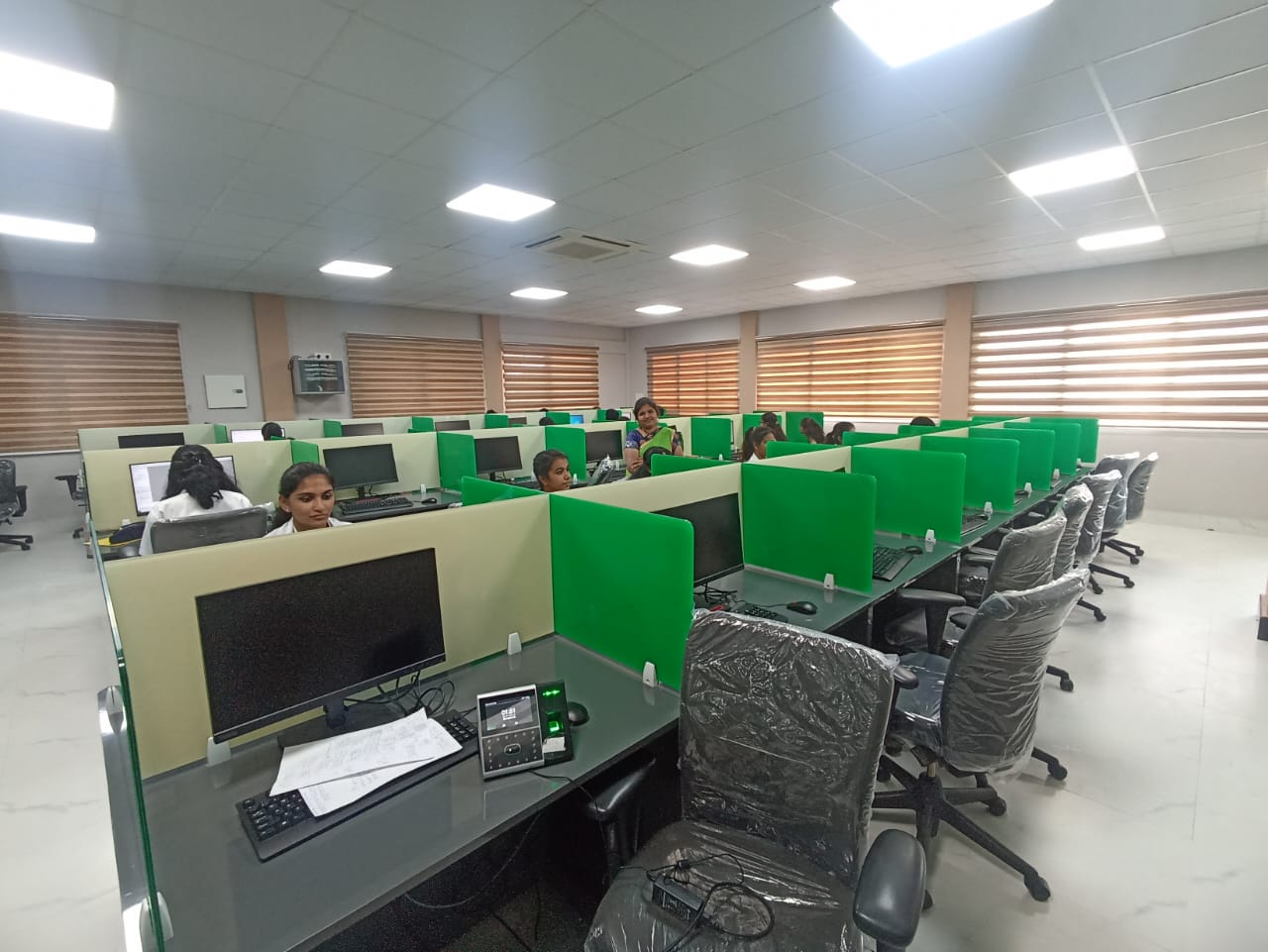
INFRASTRUCTURE

- View 7th Semester Syllabus
- View 6th Semester Syllabus
- View 5th Semester Syllabus
- View 3rd & 4th Semester Syllabus
- View 2nd Semester Syllabus
- View 2022 Scheme
- View BDA Lab Manual Final
- View DV lab manual
- View OS LAB manual
- View GIT Manual-final
- View STML Lab Manual-Final
- View UIUX Lab Manual
- View MongoDB-Manual-Final
- View CN lab Manual Final
- View Lab manual Data Structures